
Why Negligence Injuries Become Harder to Coordinate
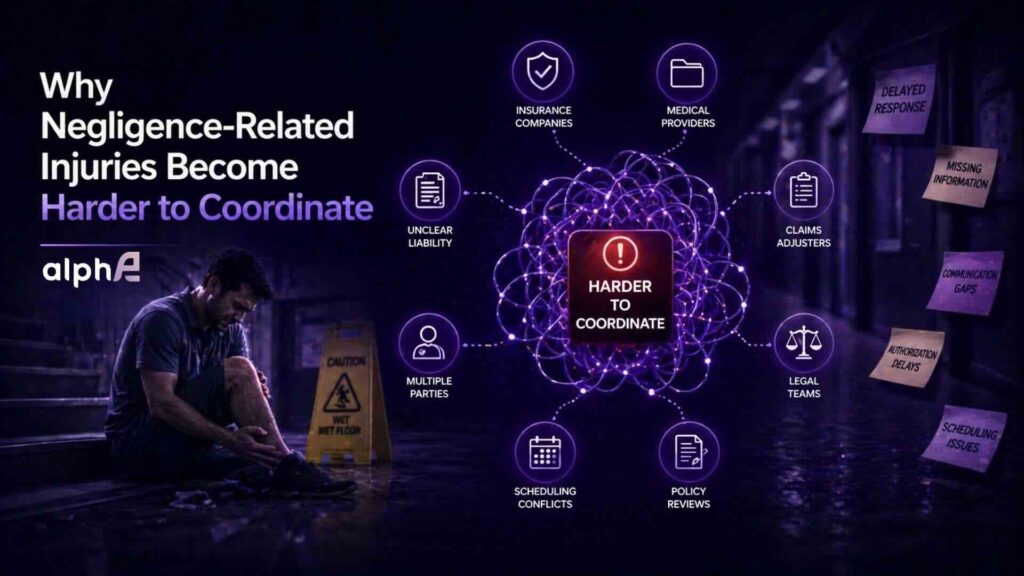
In many negligence injury claims, the case can look strong at intake but become harder to support as treatment progresses. The incident may be clear, the client may begin care on time, and the early records may not raise immediate concern. The problem often appears later. As the file develops, the medical record may stop […]
Delays After Diagnostic Imaging: Why Referrals Slow Down

Delays after diagnostic imaging often begin after the scan is complete. A patient may finish an MRI or other diagnostic study expecting a clear next step, but the referral process can slow down before specialist care is scheduled. In Personal Injury cases, that gap matters. When imaging results are not followed by timely referral, follow-up, […]
Premises Liability Medical Documentation: Why Early Records Matter
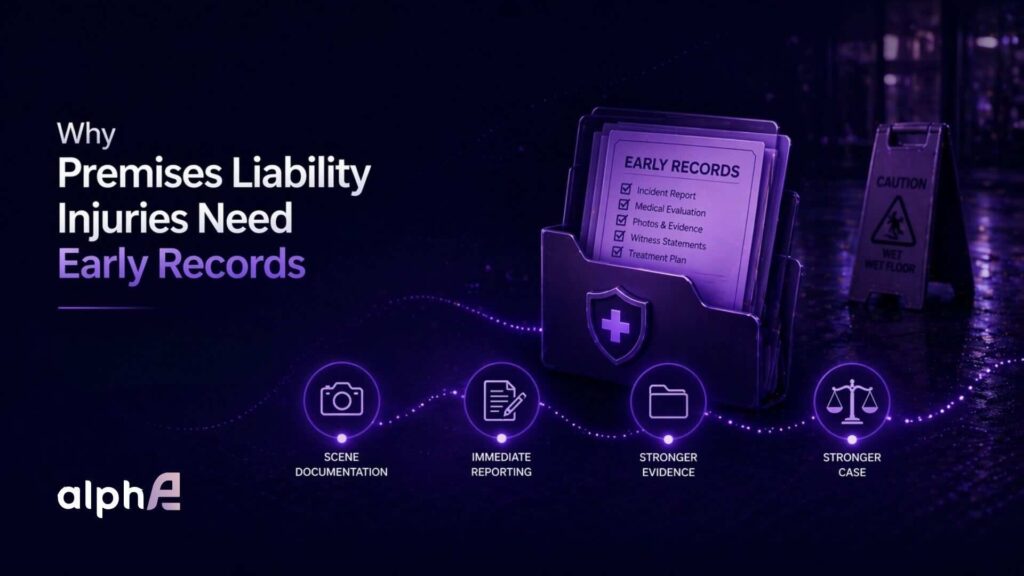
Premises liability medical documentation plays a critical role in how injury claims are evaluated and defended. In these cases, the strength of the claim often depends on how clearly the medical record connects the incident to the client’s symptoms, treatment, and progression. While a premises case may seem straightforward at intake, that clarity can quickly […]
Why Treatment Gets Delayed in Workers’ Compensation Cases

In a workers’ compensation case, treatment delays rarely begin with one obvious breakdown. More often, they start with small points of friction a missed detail, a late authorization, a provider mismatch, or records that do not clearly connect the injury to the care being requested. By the time the delay becomes visible, the worker is […]
Why Orthopedic Injury Follow-Up Matters
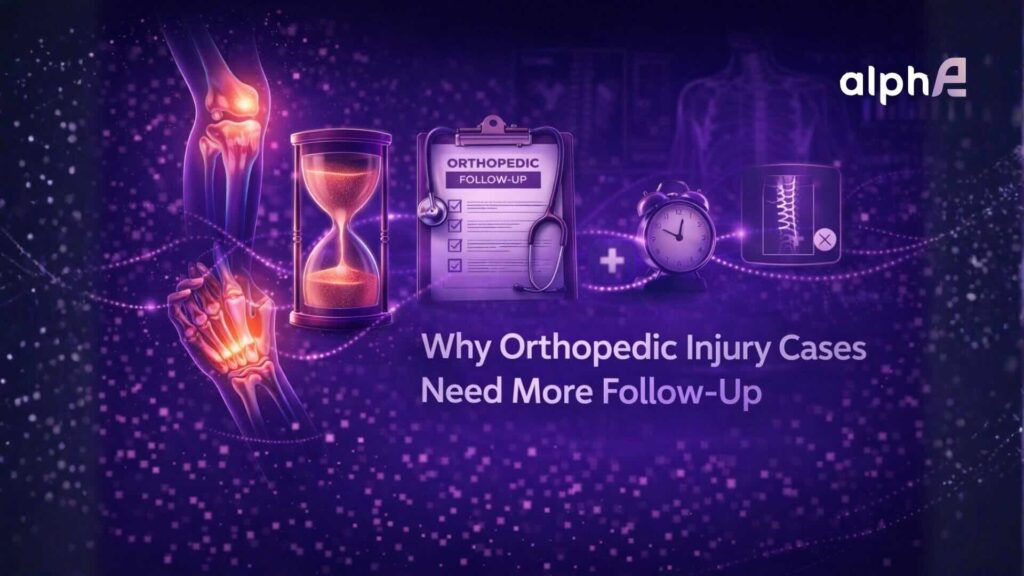
Orthopedic injury cases often become harder to support when follow-up care becomes inconsistent or incomplete. Once treatment continuity is disrupted and the medical record becomes inconsistent, the case becomes more difficult to interpret, document, and ultimately defend. A patient experiences pain, receives an initial diagnosis, and begins treatment. At first, the process feels organized and […]
Why TBI Claims Are Harder to Coordinate
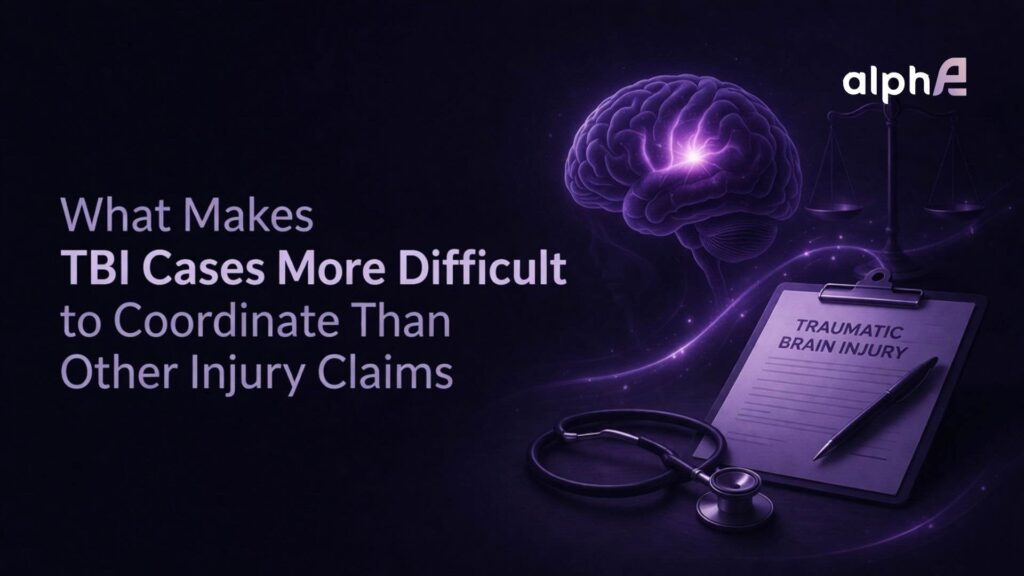
TBI case management in personal injury is often more difficult than other injury claims because the injury does not always present clearly at the start. Unlike more straightforward cases, traumatic brain injuries may develop gradually, with symptoms that are harder to recognize, document, and connect to the original incident. In many cases, symptoms such as […]
Why Spine & Back Injury Cases Break Down Without Coordinated Follow-Up
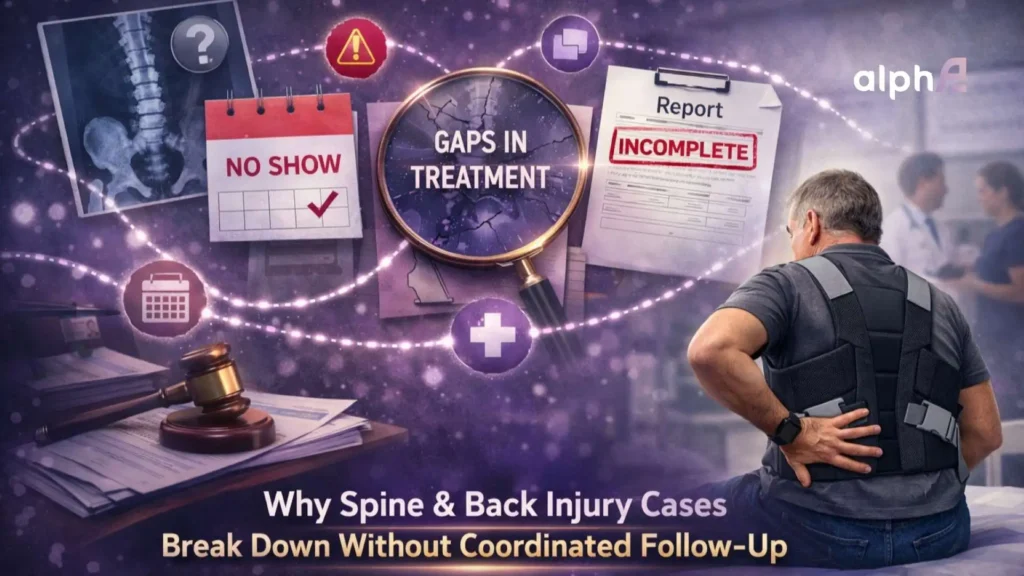
Spine and back injury cases are some of the most common and most vulnerable claims in personal injury litigation. While these injuries may seem straightforward at intake, they often become difficult to defend when treatment is not followed closely and documented consistently. Unlike injuries with a short, predictable course of care, spine-related conditions often require […]
Car Accident Medical Referral Process Explained

After a car accident, most injured individuals focus on immediate concerns such as pain, vehicle damage, and communicating with insurance companies. However, another important process often begins immediately after the accident, even if the injured client is not yet aware of it. At this stage, attorneys typically connect injured clients with medical providers who can […]
How PI Attorneys Should Vet LOP Medical Providers

For personal injury attorneys, the provider a client sees first can influence the direction and credibility of the entire case. The wrong provider can create documentation problems that may only become visible months later when the case moves toward settlement. That’s why understanding how to vet LOP medical providers before sending a client for treatment […]
From Personal Injury Intake to First Medical Appointment

When someone is injured in an accident, the focus is usually on immediate medical attention. However, in many personal injury claims, an important stage begins even before the injured person ever meets their first medical specialist. This stage typically begins during the legal intake process and continues until the patient attends the first coordinated medical […]