

Delays after diagnostic imaging often begin after the scan is complete. A patient may finish an MRI or other diagnostic study expecting a clear next step, but the referral process can slow down before specialist care is scheduled.
In Personal Injury cases, that gap matters. When imaging results are not followed by timely referral, follow-up, and documentation, the medical timeline can begin to lose continuity. What starts as a short delay may later create questions around urgency, causation, and whether the injury remained consistently documented.
The issue is usually not the imaging itself. The breakdown often happens during the handoff that follows: report review, referral routing, scheduling, provider availability, and follow-up documentation. For PI attorneys, this post-imaging phase is where strong coordination can protect both treatment progress and case clarity.
Why Delays After Diagnostic Imaging Matter in Personal Injury Cases
When imaging confirms a finding but the patient does not reach the appropriate specialist quickly, the sequence of care becomes harder to interpret, and the injury may appear less urgent or less clearly connected to the incident.
In many cases, the transition from imaging results to specialist care is not immediate, even when findings are clear.
This gap between diagnosis and referral is where delays often begin, especially when coordination or urgency is not clearly defined.
In many Texas PI cases, delays in post-imaging care begin immediately after diagnosis, not during it. The imaging may be accurate, but the next phase of care frequently progresses more slowly than expected.
For example, when a patient waits weeks to see a specialist after imaging, insurers often question whether the condition was truly urgent. Diagnostic safety research from the National Academies’ Improving Diagnosis in Health Care report defines diagnostic error as a failure to establish or communicate an accurate and timely explanation of a patient’s health problem. This makes delayed follow-up after imaging a significant patient-safety concern.
alphaE highlights the importance of timely care in their article on orthopedic injury follow-up after imaging, showing how consistent treatment and structured documentation directly affect both outcomes and case strength.
Where Specialist Referrals Break Down After Diagnostic Imaging
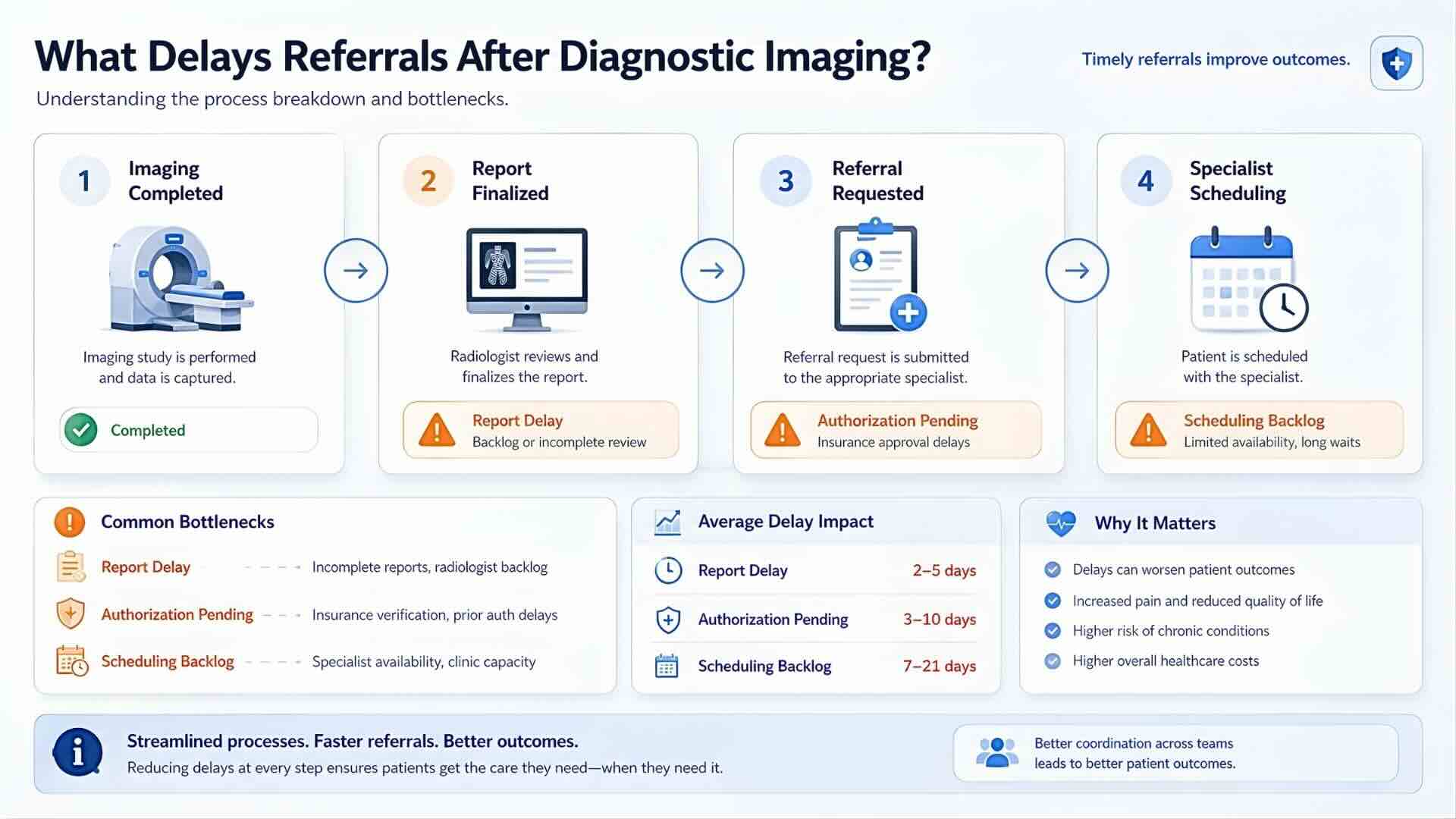
The referral process after diagnostic imaging often breaks down at multiple points, from report finalization to specialist scheduling, as shown below.
Diagnostic Imaging Referral Workflow and Common Delays
These bottlenecks explain why delays after diagnostic imaging can occur even when the diagnosis itself is clear.
In most cases, these delays occur at predictable points in the referral workflow.
When Imaging Urgency Is Not Clearly Communicated
A report can confirm a significant finding and still fail to trigger action if no one treats it as urgent. If urgency is not clearly communicated, the referral is often treated as routine.
The National Academy of Medicine has identified failures in follow-up, including missed or delayed action on diagnostic findings, as a major contributor to delayed diagnosis in clinical care.
Scheduling and Authorization Delays in Referral Workflow
Referral delays often build when authorization is pending or required information is incomplete, creating backlogs in the workflow.
These administrative bottlenecks can significantly slow down referrals, even when imaging results clearly support the need for specialist care.
Referrals often sit in a queue waiting on approval or missing information.
The American College of Radiology has described prior authorization as a significant barrier to timely imaging and efficient patient care, especially in outpatient settings. That same friction carries into specialist referrals, slowing down the next phase even when diagnosis is already clear.
Lack of Ownership in the Referral Process
One of the most common causes of delay is the absence of clear responsibility. When responsibility for the next step is unclear, referrals are more likely to stall due to inconsistent follow-through.
Delays tend to build when expectations are unclear, scheduling lacks structure, and follow-up becomes inconsistent.
What Slows Follow-Up Care After Diagnostic Imaging?
Even when a specialist referral after diagnostic imaging is technically placed, delays can still develop in the follow-up process. At this stage, post-imaging delays are less about missed referrals and more about how clinical and operational workflows actually function.
Understanding what slows follow-up after imaging is critical. This is especially true when referrals appear complete on paper but fail to progress in practice.
When Referral Information Lacks Clinical Context
Specialists don’t work from imaging alone. If the referral lacks a clear symptom picture or reason for escalation, it may not be prioritized correctly.
Follow-up is often delayed when the referral reaches the next provider without enough clinical context to move things forward.
Provider Limitations and Slow Specialist Access
Specialty providers vary widely in scheduling speed, documentation quality, and referral responsiveness. Some clinics accept cases but schedule slowly. Others lack structured specialty pathways.
Even when the referral has been sent, bottlenecks can develop if the receiving provider lacks capacity or a clear review process. The referral may exist, but if no one confirms that it was reviewed or scheduled, the case may remain unaddressed longer than expected.
- A spine case can lose valuable time when imaging supports escalation, but no defined treatment pathway is available.
- A neurologic case can stall when symptoms are present but referral routing remains unclear.
- A complex injury case often slows when the provider can treat the patient but cannot support the documentation the case requires.
For example, consider a patient whose lumbar MRI shows a disc herniation with symptoms radiating into the leg. If the referral is sent but no one confirms whether the spine specialist reviewed it, three weeks can pass with no documented escalation, no updated symptom note, and no documented explanation for the gap.
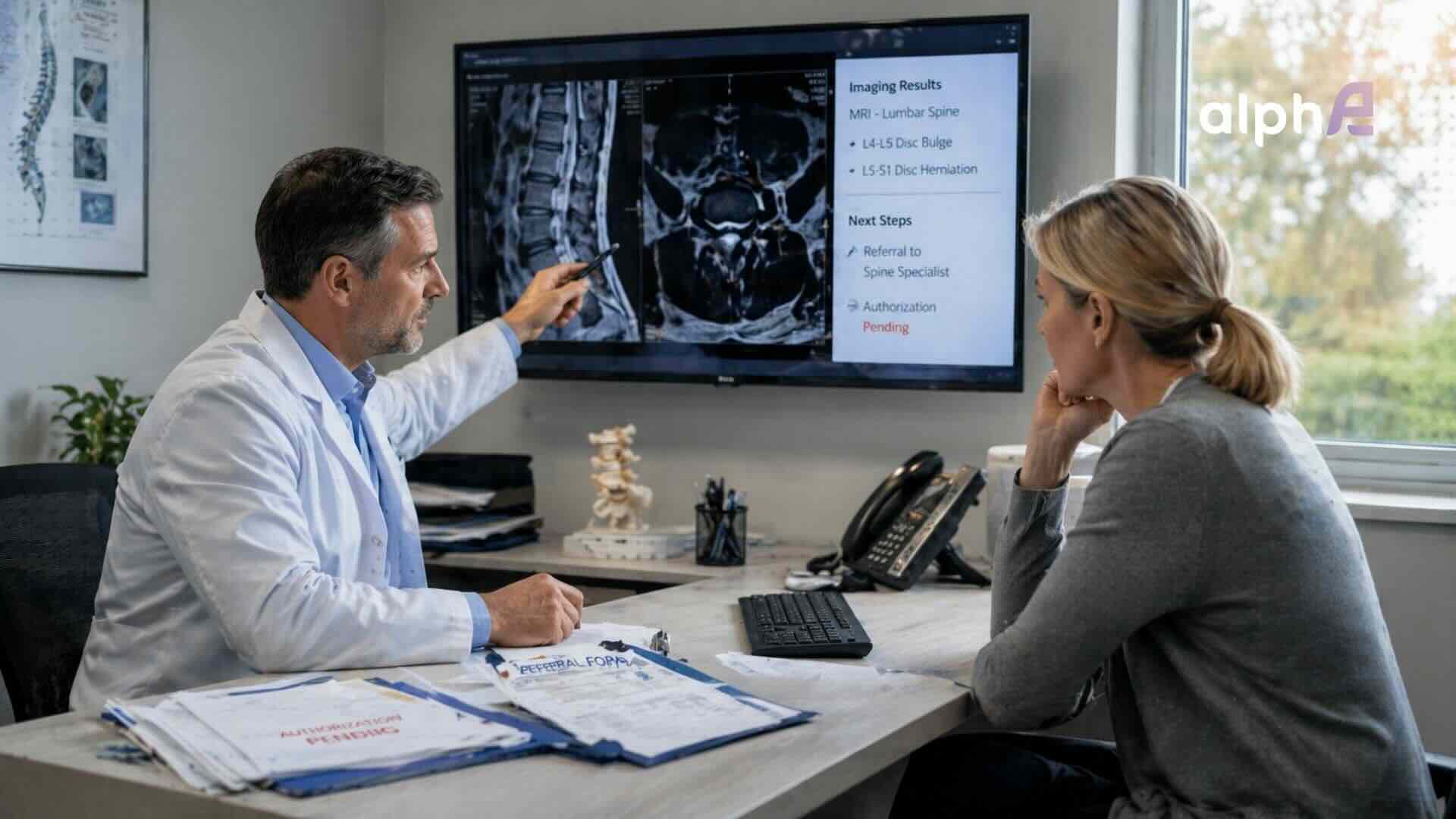
How Treatment Delays After Imaging Results Affect PI Cases
What begins as a minor delay can significantly shift how the case is interpreted over time.
How Delays Weaken Causation and Timeline Clarity
In injury cases, sequence matters more than it may seem at first. When imaging is followed by delayed specialist care, the timeline becomes harder to defend.
The National Academy of Medicine has identified failures in follow-up as a major contributor to delayed diagnosis and care. In a PI case, that same delay creates space for competing explanations.
How Delayed Escalation Creates Documentation Gaps
When escalation happens late, gaps begin to appear in the medical record, reducing clarity even when the injury itself is well supported.
Often, the issue is not the referral itself but how quickly the provider can act. Treatment delays after imaging results typically appear in the record in three ways:
- Treatment starts to look inconsistent over time
- Imaging findings are not clearly tied to symptoms
- The case begins to lose narrative clarity and legal strength
For example, a patient with a confirmed shoulder injury may wait weeks before seeing a specialist. During that time, limited follow-up documentation can make the injury appear less severe or less clearly connected to the incident.
How PI Attorneys Can Reduce Post-Imaging Treatment Delays
Provider selection often affects referral speed more than firms expect. A referral can be technically correct and still slow the case down if the provider is difficult to schedule with, slow to respond, or inconsistent with documentation. That is why understanding specialist referral after diagnostic imaging and how to vet LOP medical providers in PI cases can reduce delays before they slow the case down.
Build Referral Systems Around Speed, Fit and Documentation
Reducing treatment delays after imaging results requires more than fast scheduling. It requires the right specialist, a clear reason for referral, and a provider who can move the case forward without creating documentation gaps.
When a case starts to slow down, the same questions usually come up:
- Is this really the right specialist for the injury?
- How quickly can this provider see the client in practice?
- Will the documentation hold up later if the case is challenged?
It’s common to see delays start when a client is sent to the first available provider instead of the right one. The appointment may be booked, but the case can still lose momentum if the provider is not the right clinical or documentation fit.
How to Review Post-Imaging Delays Before They Affect Case Outcomes
When post-imaging delays begin to affect momentum, the review process needs to stay focused. Start by identifying where the delay actually began: report review, referral transmission, scheduling, or provider response.
Then look at whether urgency was communicated clearly. If it wasn’t, the delay may appear more significant later than it seemed at the time.
Finally, assess provider fit. A referral can exist on paper and still fail in practice if it does not match the injury, timing, or documentation needs of the case.
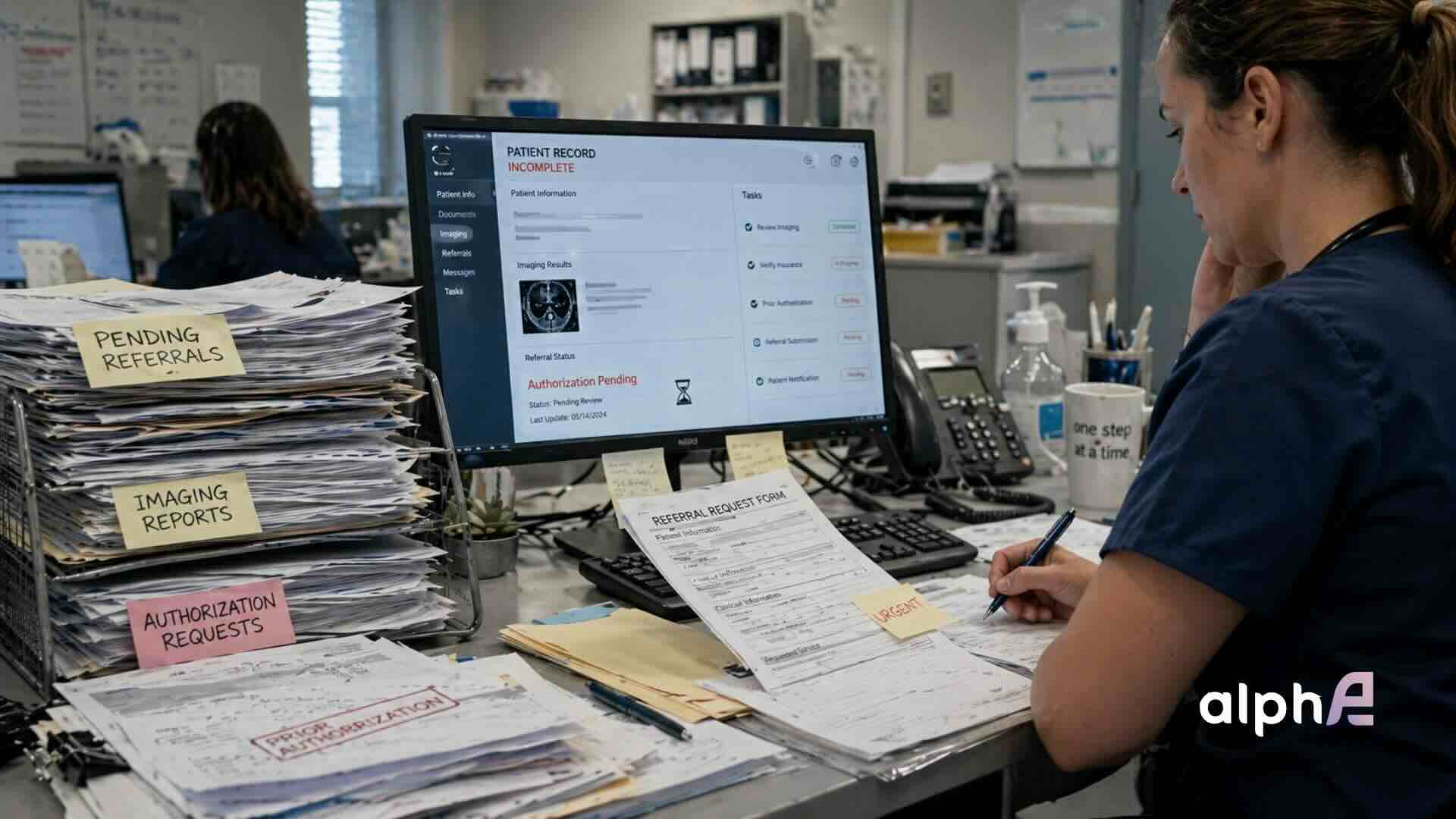
How Medical-Legal Coordination Reduces Referral Delays After Imaging
Most referral delays start in the handoff, when responsibility is unclear or follow-up slows.
A Mayo Clinic–affiliated qualitative study of diagnostic error and delay found that clinicians often point to organizational, communication, coordination, workload, and system-process factors as contributors to delayed diagnosis.
Medical-legal coordination helps reduce uncertainty around referral responsibility, gaps between imaging and referral, and delays in provider communication.
If your cases are slowing down after imaging, the issue is often coordination, not the clinical finding itself. Identifying and fixing that gap early can significantly improve both case flow and outcomes. In those situations, working with an experienced medical-legal coordination team can bring more structure to referrals, documentation, and case flow.
Conclusion
Delays after diagnostic imaging usually happen after the diagnosis is already clear. The problem is often the handoff: report review, referral routing, scheduling, provider fit, and follow-up documentation.
For Personal Injury cases, those delays can weaken timeline clarity, create documentation gaps, and give insurers more room to challenge urgency or causation. The faster the case moves from imaging results to appropriate specialist care, the easier it is to preserve a clear medical narrative.
alphaE helps Texas PI attorneys coordinate LOP-based specialist referrals, follow-up care, and medical documentation after diagnostic imaging so cases continue with clearer timelines and fewer avoidable delays.